
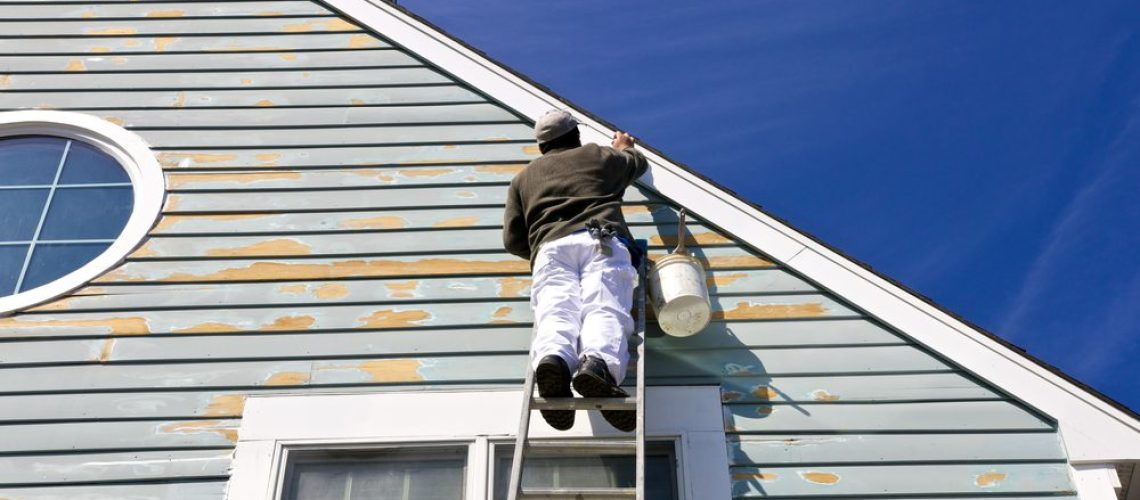
Painting your home can seem like a straightforward weekend project until you start looking closely at everything involved. Before the first coat goes on, there may be surfaces to clean, peeling paint to remove, repairs to complete, and surrounding areas to protect.
For an exterior project, the list grows quickly. High walls, detailed trim, changing weather, and different surface materials all affect how the work should be approached. A fresh finish depends on much more than choosing a color and buying a few gallons of paint.
Hiring a painting contractor brings experience, equipment, and project planning to the job. Whether you’re refreshing a few rooms or repainting your home’s exterior, here are the advantages worth considering.
1. Thorough Preparation Before Painting Begins
A quality paint job starts with the condition of the surface underneath it. Applying new paint over dirt, loose coatings, or damaged material can leave you with a finish that looks good briefly but develops problems later.
An experienced contractor can assess the surfaces and identify the preparation needed. Depending on the project, that may include cleaning, scraping loose paint, sanding rough edges, filling minor imperfections, and applying an appropriate primer.
Preparation also gives you an opportunity to spot issues that paint cannot solve. Soft wood, recurring stains, and moisture damage may require repairs or further investigation before work continues. Addressing those concerns first helps avoid covering a problem that will eventually show through again.
When comparing estimates, ask what preparation is included. Two proposals for the same home can describe very different amounts of work, even if both promise two coats of paint.
2. Help Choosing Suitable Paints and Finishes
Not every paint is appropriate for every surface. Interior walls, cabinets, exterior stucco, and wood trim each have different requirements. The right choice depends on the material, its condition, and how the finished surface will be used.
A knowledgeable painting contractor can explain the options and recommend a coating system suited to the project. That includes considering primers, finish coats, sheen, and any compatibility concerns with the existing coating.
For interiors, a busy hallway may need a different finish from a low-traffic bedroom. Outside, the product needs to suit the surface and its exposure. San Diego homes can have a mix of sunny walls, shaded areas, and coastal conditions that deserve consideration during planning.
Professional guidance also helps with color decisions. Testing samples on the actual surface lets you see how a shade works with your lighting, flooring, roof, or landscaping before committing to the full project.
3. A More Consistent Finished Appearance
Painting a small sample is one thing. Keeping an even finish across an entire wall, ceiling, or exterior elevation is another.
Uneven coverage, visible roller marks, drips, and rough edges can distract from an otherwise attractive color. Experienced painters use techniques and tools suited to the coating and surface, paying attention to application conditions and the manufacturer’s instructions.
Details matter, too. Clean lines around trim, carefully painted doors, and consistent coverage in corners help the finished space feel complete. These areas often take more patience than homeowners expect.
Hiring a contractor does not mean every result will automatically be excellent. Reviewing recent projects and discussing the expected finish before work begins helps you choose a team whose standards match yours.
4. Less Time Spent Managing the Work Yourself
A DIY painting project involves shopping, moving furniture, masking surfaces, preparing walls, painting, and cleaning up. Drying times and additional coats can stretch the work across several days or weekends.
A contractor takes responsibility for organizing the agreed scope and coordinating the crew. That can reduce the amount of hands-on work you need to fit around your job, family, and other responsibilities.
For interior projects, planning the sequence of rooms can help manage disruption. For exterior painting, scheduling needs to account for suitable application conditions and access around the property.
Before the project starts, discuss the anticipated timeline, working hours, and what you need to do beforehand. Clear expectations make it easier to plan around the work and understand how changes will be communicated.
5. Equipment and Planning for Difficult Areas
High ceilings, stairwells, second-story trim, and hard-to-reach exterior walls introduce challenges beyond ordinary brushwork. Accessing those areas requires suitable equipment and careful planning.
A professional contractor should assess how the work can be completed and what access equipment is needed. Hiring the job out reduces your need to take on unfamiliar ladder work or improvise a way to reach awkward surfaces.
Property protection is another part of the plan. Furniture, floors, windows, landscaping, and nearby fixtures may need covering or masking. Ask how the crew will protect these areas and keep walkways and entrances usable during the project.
It’s also sensible to verify the contractor’s current license and insurance information. Discussing these details before work begins helps you understand who will be working on your property and how the project will be managed.
6. Clearer Costs and Fewer Avoidable Mistakes
Doing the work yourself may reduce the initial labor cost, but the full expense includes tools, preparation materials, paint, and your time. Incorrect product choices or inadequate preparation can also create additional work.
Hiring a contractor is not always the cheapest option. Its value comes from getting a defined scope, suitable materials, and experienced application rather than trying to troubleshoot every stage yourself.
A detailed written estimate makes the comparison more useful. Look for the surfaces included, preparation steps, products, application requirements, cleanup, and exclusions. Ask how unexpected repairs or changes will be priced and approved.
Comparing those details helps you understand what you’re paying for. The lowest number is easier to evaluate when you know whether it includes the same work as the other proposals.
What to Ask Before Hiring a Painting Contractor
- Choosing the right contractor is as important as deciding to hire one. Before agreeing to the project, ask:
- What preparation and repairs are included?
- Which paint and primer products will be used?
- How will surrounding surfaces and belongings be protected?
- Who will supervise the work and communicate updates?
- What could affect the schedule or quoted price?
- What cleanup and final inspection are included?
A reliable proposal should give you a clear picture of the work. If something is vague, clarify it before the project begins rather than waiting until the crew is already painting.
Plan Your Painting Project With Peek Brothers Painting
Hiring a painting contractor can make a demanding home improvement project easier to manage. From preparation and product selection to application and cleanup, professional support helps bring the details together.
For your San Diego home, start with a conversation about the surfaces, their condition, and the result you want. A clear plan gives you a better basis for choosing materials, comparing costs, and scheduling the work.
Contact Peek Brothers Painting at (619) 446-6983 or request a free estimate to discuss your next painting project.
