
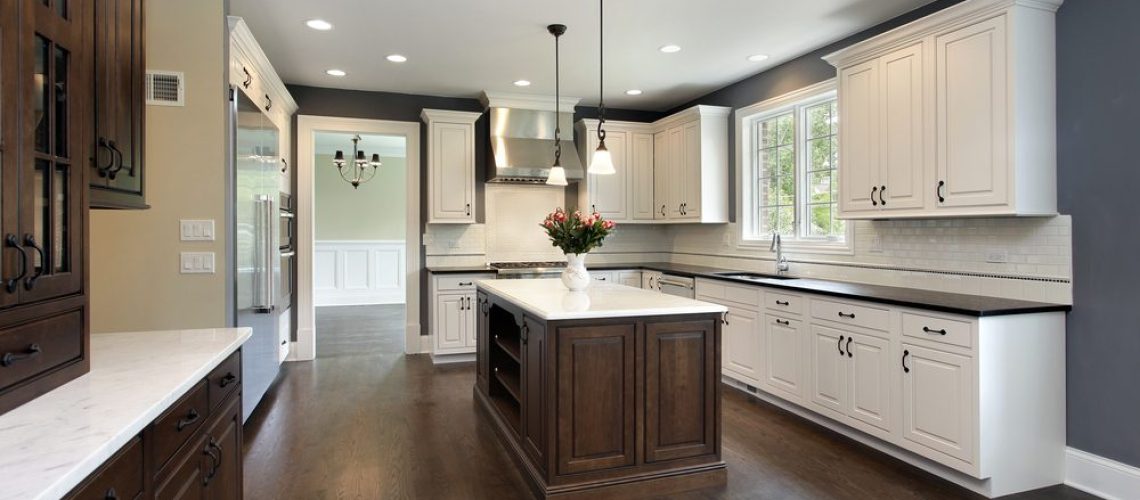
Painting your kitchen cabinets can change the feel of the entire room. Cabinets occupy a large portion of the kitchen’s visible space, so a dated color or worn finish can make the room feel tired even when the layout still works well.
If your cabinets are in good condition, painting offers an opportunity to update their appearance without replacing everything. You can keep the storage and arrangement you already like while choosing a finish that works better with your home.
However, cabinet painting involves more than applying wall paint to the doors. The condition of the cabinets, their existing finish, and the preparation all influence whether painting is a worthwhile choice. Here are the advantages to consider before planning your project.
1. Refresh Your Kitchen Without Replacing the Cabinets
A new cabinet color can make a familiar kitchen feel noticeably different. Dark, worn cabinetry may leave the space looking heavy, while an outdated finish can clash with newer countertops, flooring, or appliances.
Painting allows you to bring those elements together. Warm white cabinets can complement natural wood accents, muted colors can introduce personality, and deeper shades can give an island a distinct appearance.
The best choice depends on the whole room. Look at your countertops, backsplash, flooring, and lighting before settling on a color. A shade that looks appealing in a sample photo may look different beside your existing finishes.
Testing samples in your kitchen helps you see those relationships clearly. Check them during the day and under your evening lighting so the final choice works when you actually use the room.
2. A Potentially More Affordable Alternative to Replacement
Replacing cabinets involves more than purchasing new doors and boxes. Removal, installation, hardware, and adjustments to surrounding finishes can all contribute to the scope and cost.
Painting suitable existing cabinets can avoid much of that replacement work. When the cabinet boxes are sound and the layout meets your needs, updating the finish may be a practical way to focus your budget on appearance.
The price still depends on the project. Cabinet quantity, surface condition, repairs, preparation, and the coating system all affect the estimate. Detailed doors and an existing finish that needs extensive attention may require more labor than you expect.
Compare written proposals carefully. Ask whether they include doors, drawer fronts, exposed cabinet frames, end panels, and any interior surfaces you want painted. A clear scope helps you understand exactly what the quoted price covers.
3. Keep a Layout That Already Works
Sometimes a kitchen looks dated but functions perfectly well. You may already have enough storage, convenient work areas, and cabinets positioned where you need them.
Painting lets you preserve those useful features while changing the appearance. There is no need to redesign a comfortable kitchen simply because you no longer like its cabinet finish.
It can also pair well with smaller updates. New handles, refreshed hinges, or improved lighting may complement the painted cabinets without turning the project into a full renovation. If you plan to change hardware, discuss it before preparation begins so any unused holes can be addressed.
Painting does have limits. It will not create additional storage, change an awkward layout, or repair structurally damaged cabinet boxes. If those are your main concerns, replacement or a more extensive renovation may deserve consideration.
4. Less Demolition and a More Focused Project
A complete cabinet replacement can disrupt several parts of the kitchen at once. Removing existing cabinetry may affect countertops, backsplash areas, and access to storage while the new installation takes place.
Painting generally involves a more focused scope when the existing cabinets remain in place. That can make it easier to plan an appearance update without coordinating as many separate renovation tasks.
Your kitchen will still experience disruption. Doors and drawer fronts may be removed, surfaces need protection, and some areas may be unavailable during preparation and application. The schedule depends on the cabinet condition, project size, and finishing process.
Drying and curing also need to be considered separately. A coating may feel dry before it has developed its intended hardness. Ask your painter when doors can be reinstalled, when normal use can resume, and how gently the finish should be treated during the curing period.
5. Make Better Use of Cabinets You Already Own
If your cabinets remain sturdy and serviceable, keeping them can reduce the amount of material removed from your home. Painting gives those existing components a new appearance instead of replacing them solely because of their color.
This can be particularly appealing when you like the cabinet construction or door style. A refreshed finish may help you continue enjoying cabinetry that still has useful life left.
The project will still use coatings, preparation materials, and other supplies. Its environmental benefits depend on the actual work involved, so keeping existing cabinets is best considered one part of a thoughtful renovation.
Start by assessing what is worth preserving. Sound boxes and repairable doors may be good candidates, while significant water damage, failing materials, or widespread deterioration can make painting a poor investment.
6. Improve the Kitchen’s Presentation
Worn cabinet finishes can draw attention away from the rest of the kitchen. Scratches around handles, uneven color, and peeling areas may make a functional room appear less maintained.
A carefully prepared and applied finish can give the cabinetry a more consistent appearance. Combined with coordinated hardware and a suitable color, it can help the room feel cleaner and more inviting.
That improvement may also be useful if you are preparing to sell. However, painting does not guarantee a specific increase in home value or a return on the project cost. The result depends on the quality of the work, the overall kitchen, and buyer preferences.
Choose a finish you will enjoy living with rather than relying on promises about resale value. An update should make sense for your home and your plans.
Are Your Cabinets Good Candidates for Painting?
Before choosing colors, have the cabinets and existing coating evaluated. Solid wood, engineered materials, veneer, and laminate can require different approaches, and not every surface is equally suitable.
Grease and cooking residue need appropriate cleaning. Loose coatings, surface damage, and adhesion concerns also need attention before a new finish is applied. Painting over those problems can lead to disappointing results.
Ask your painter about:
- The condition of the cabinet boxes, doors, and drawer fronts.
- Compatibility with the existing material and finish.
- Cleaning, preparation, and primer requirements.
- Whether wood grain or surface texture will remain visible.
- The surfaces included in the estimate.
- Drying, curing, and care instructions.
These details help set realistic expectations. Painting can change the color and finish, but it will not automatically make textured wood look like a completely smooth manufactured door.
Update Your Kitchen With Peek Brothers Painting
Painting your kitchen cabinets can be a practical way to refresh a room you use every day. When the cabinetry is suitable, it allows you to keep a functional layout while giving the space a coordinated new appearance.
A successful project starts with an honest assessment of the cabinets, careful preparation, and a coating system suited to the job. Understanding those steps helps you decide whether painting is the right investment for your kitchen.
To discuss cabinet painting for your San Diego home, contact Peek Brothers Painting at (619) 446-6983 or request a free estimate.
