
Living near the coast comes with plenty of advantages. Beautiful views, ocean breezes, and a mild climate are part of what makes San Diego such a desirable place to call home.
But those same coastal conditions can be tough on your home’s exterior paint.
Salt air, moisture, marine-layer humidity, sunlight, and wind can gradually wear down exterior coatings.
Coastal San Diego homes can experience a combination of environmental conditions that cause paint to deteriorate in ways homeowners may not immediately recognize.
The good news is that paint failure often provides warning signs before the problem becomes severe.
Understanding what to look for can help homeowners identify problems early and make better decisions about maintenance and repainting.
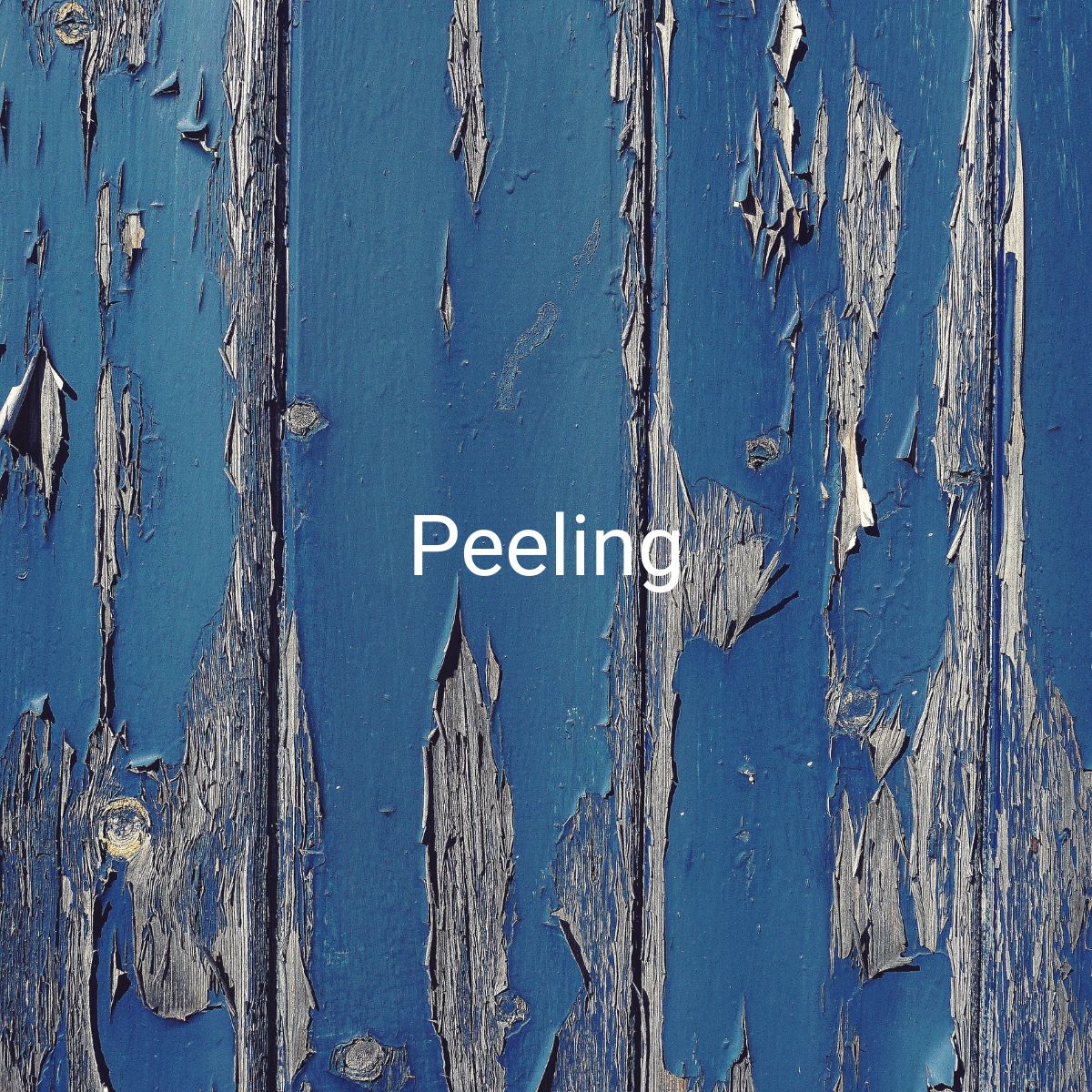
Peeling is one of the most obvious signs that an exterior coating is failing.
You may notice sections of paint lifting away from the surface, particularly around:
Peeling can occur for several reasons, including moisture, poor adhesion, surface contamination, or inadequate preparation before the previous coating was applied.
Simply painting over peeling areas usually isn’t enough.
The loose material needs to be properly removed and the underlying surface evaluated before a new coating is applied.
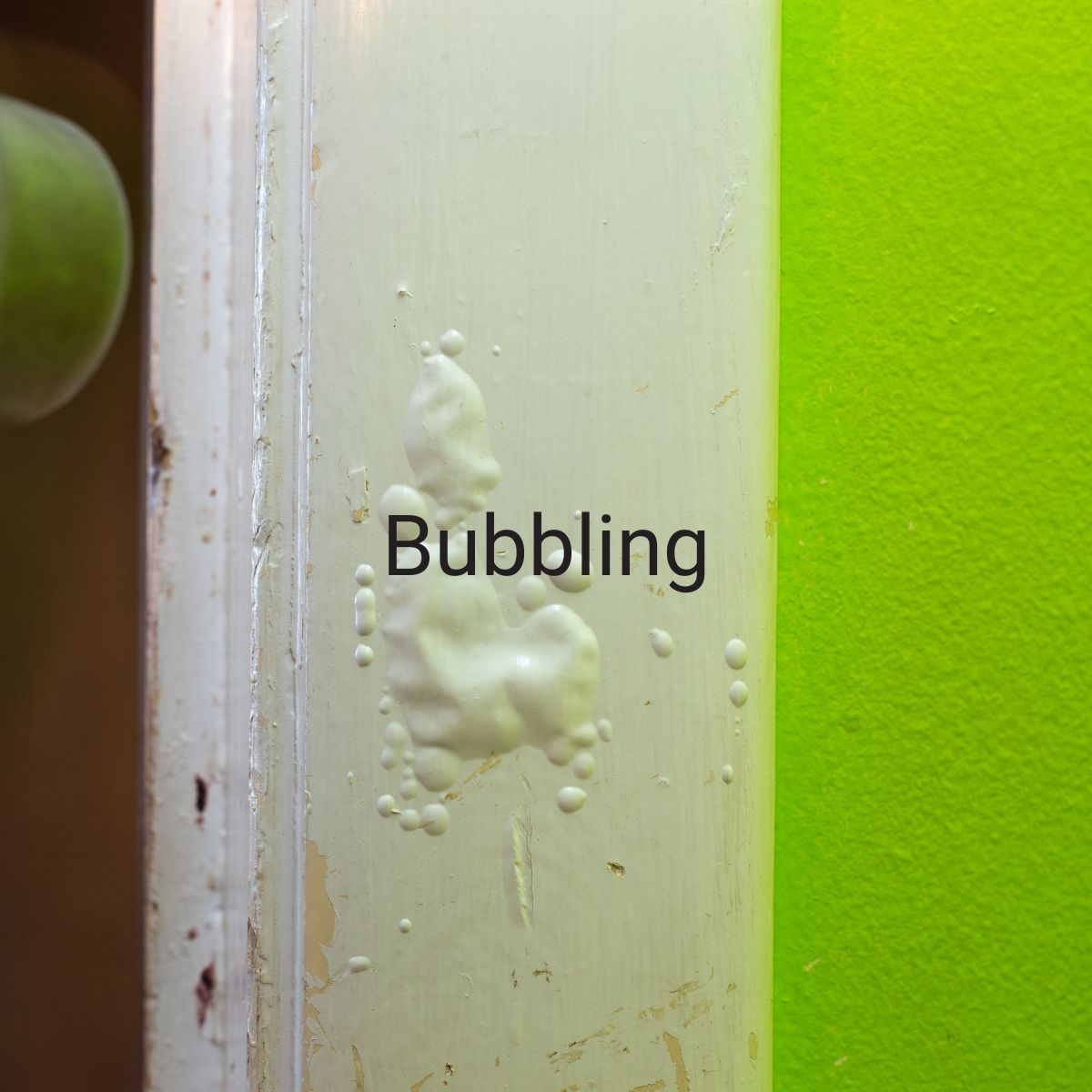
Bubbles or blisters can appear as raised areas underneath the paint film.
Moisture trapped beneath a coating is one potential cause.
Coastal homes experience recurring exposure to marine moisture and humidity, which can make moisture management particularly important.
Blistering may be more noticeable on surfaces that receive significant sun exposure because heat can increase pressure beneath a compromised coating.
If you see bubbles forming on your exterior paint, don’t simply pop them and repaint.
The underlying cause should be identified first.
Not all paint failure involves peeling.
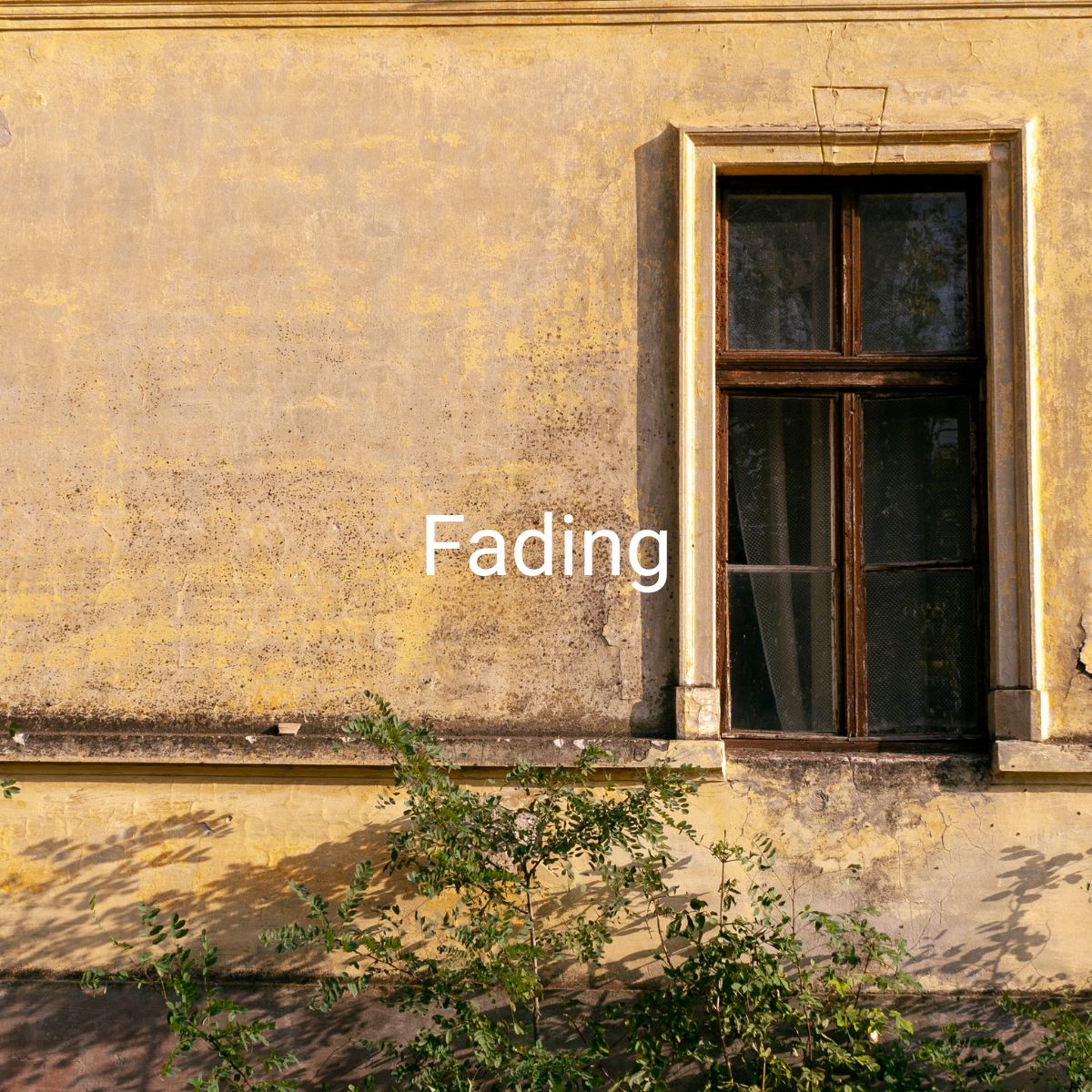
Sometimes the first sign is simply that the color no longer looks the way it once did.
San Diego’s strong UV exposure can contribute to fading and deterioration, particularly on surfaces receiving significant direct sunlight. South- and west-facing walls can experience especially noticeable exposure.
You may notice:
Color fading doesn’t necessarily mean the paint system has completely failed, but it can be an indication that the coating is aging and should be evaluated.
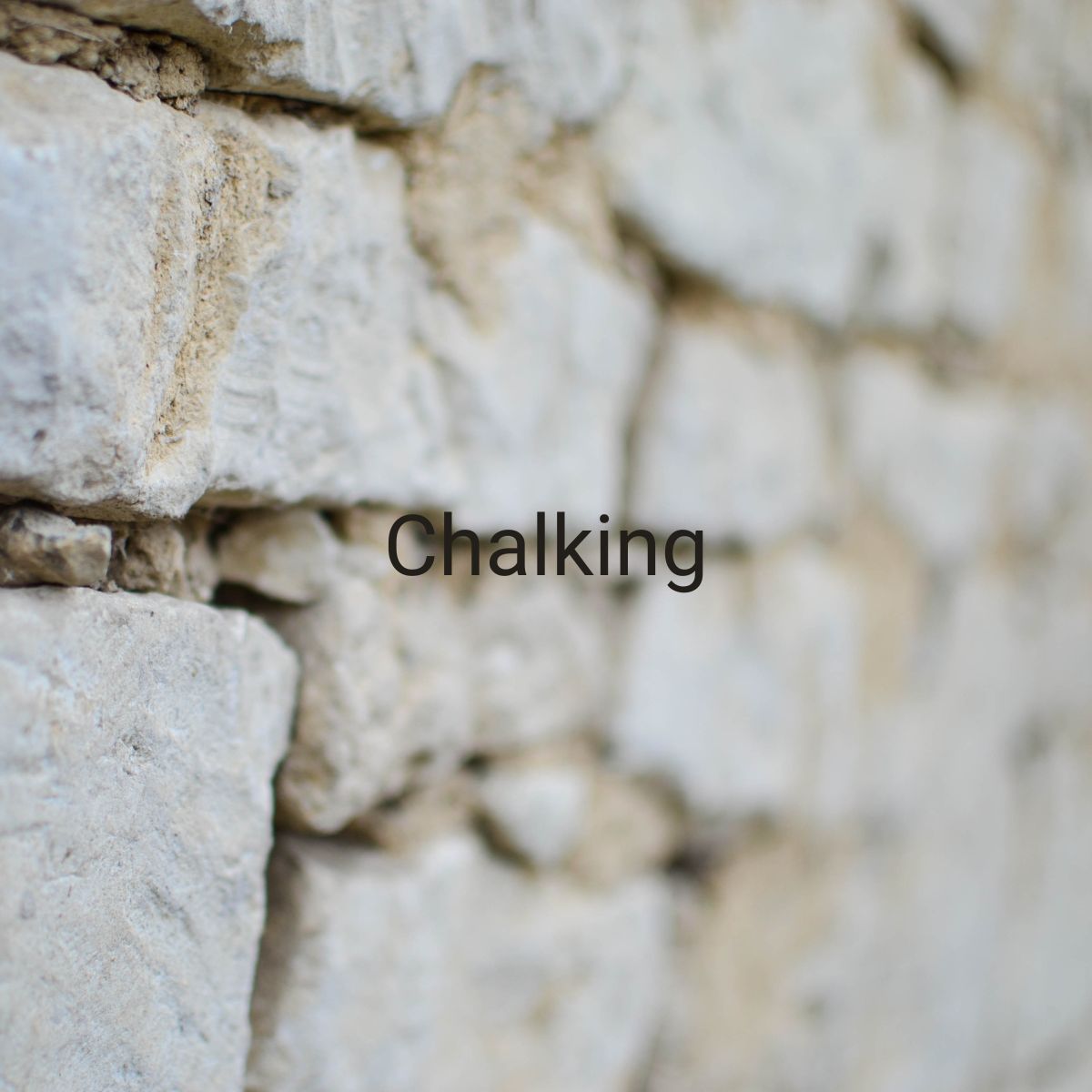
Chalking occurs when the paint surface begins breaking down and leaves a powdery residue.
You might notice a white or dusty film when you touch the painted surface.
Chalking is particularly important because it can indicate that the coating has experienced significant weathering.
UV exposure is one factor that can contribute to coating degradation over time.
Before repainting a chalky surface, proper cleaning and preparation are essential.
Applying new paint over a heavily chalked surface without properly addressing it can compromise adhesion.
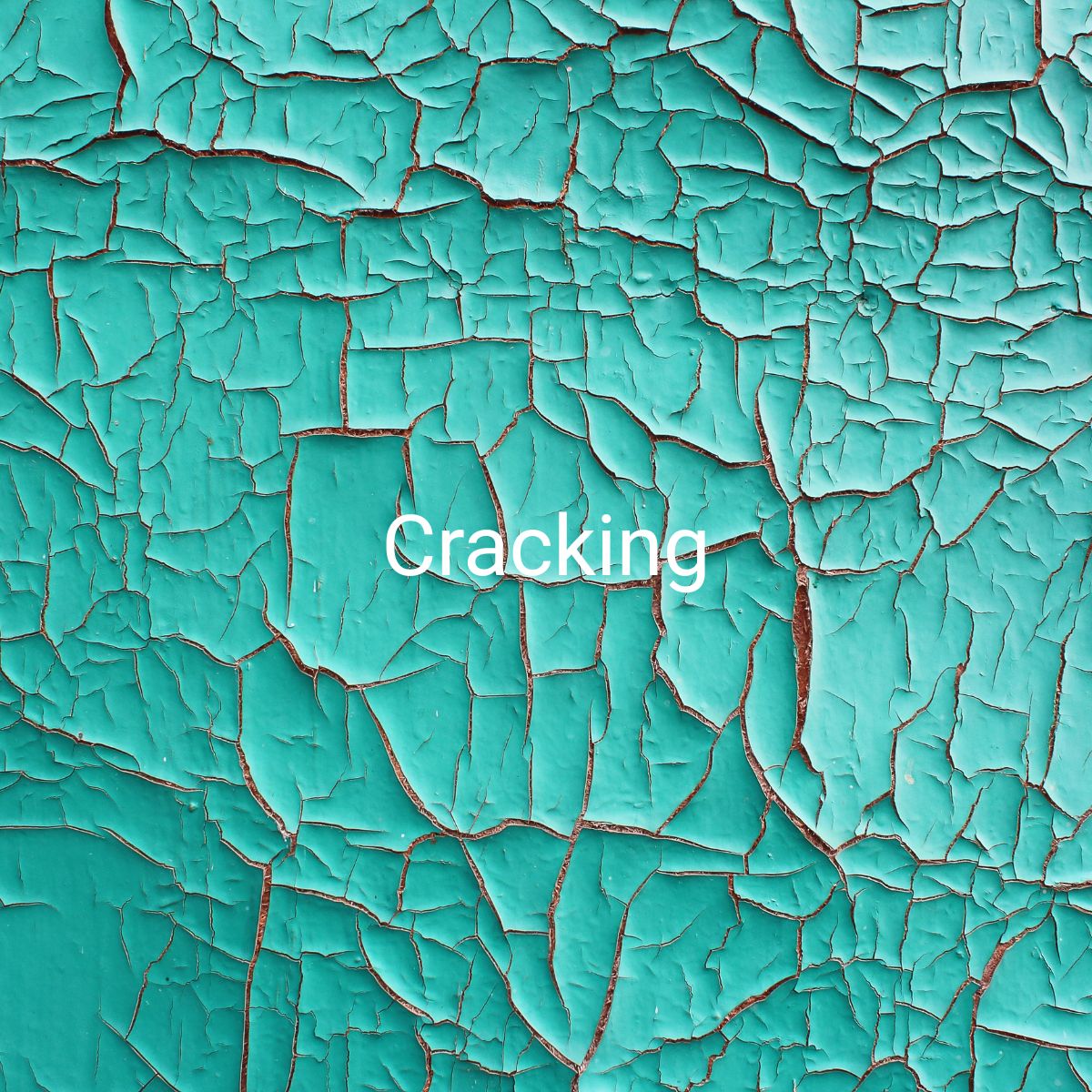
Cracks can appear in exterior paint for several different reasons.
They may be related to:
Small cracks may initially seem cosmetic, but they can become pathways for moisture to reach the underlying surface.
That’s why professional painters look beyond the visible crack and evaluate the surrounding area before determining the appropriate repair.
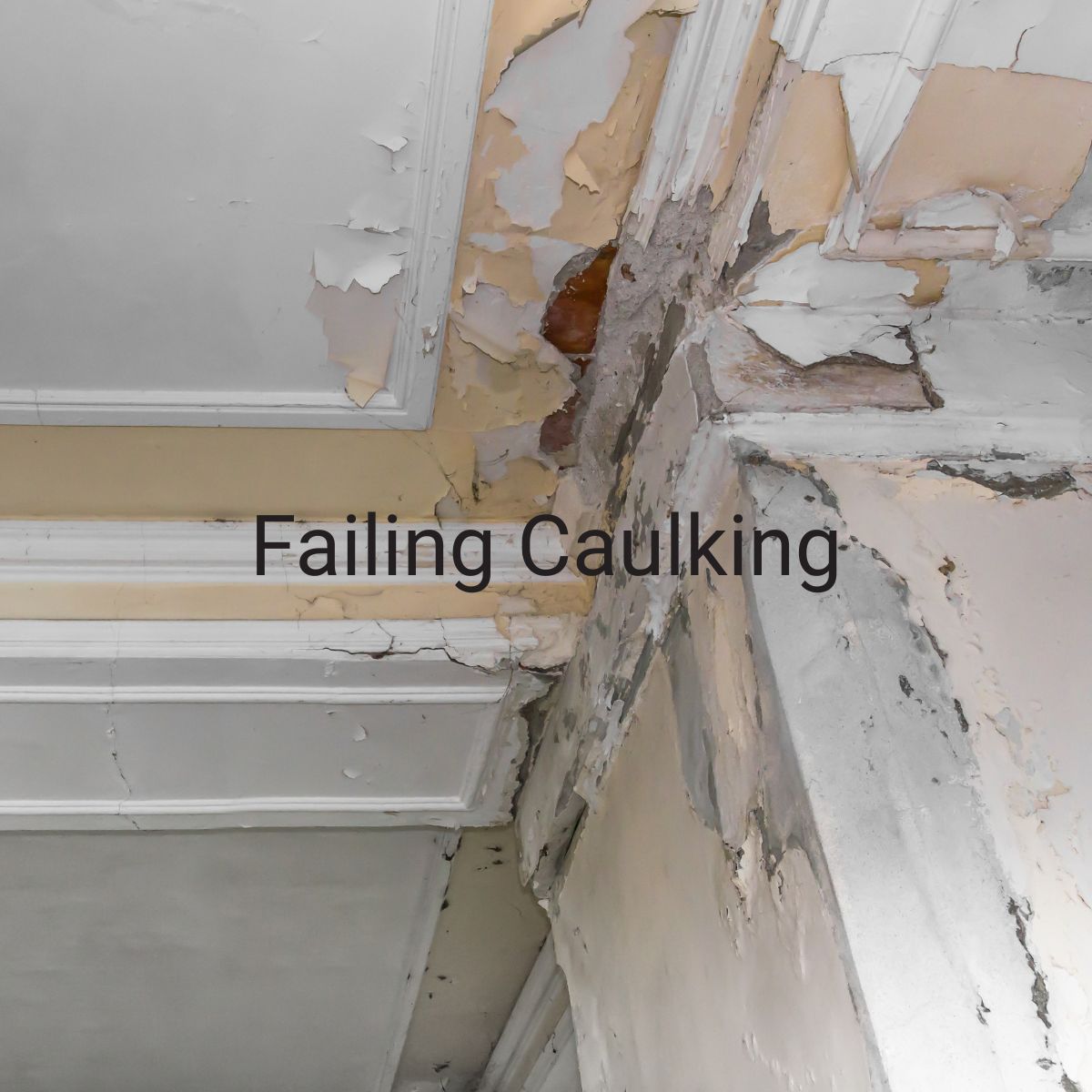
Sometimes what looks like a paint failure is actually connected to deteriorating caulking.
Caulking around windows, doors, trim, and other transitions helps seal gaps and prevent water intrusion.
When caulking becomes cracked, brittle, or separated, moisture can reach areas that were previously protected.
A professional exterior painting project should include an evaluation of these areas and replacement of failing caulking where appropriate.
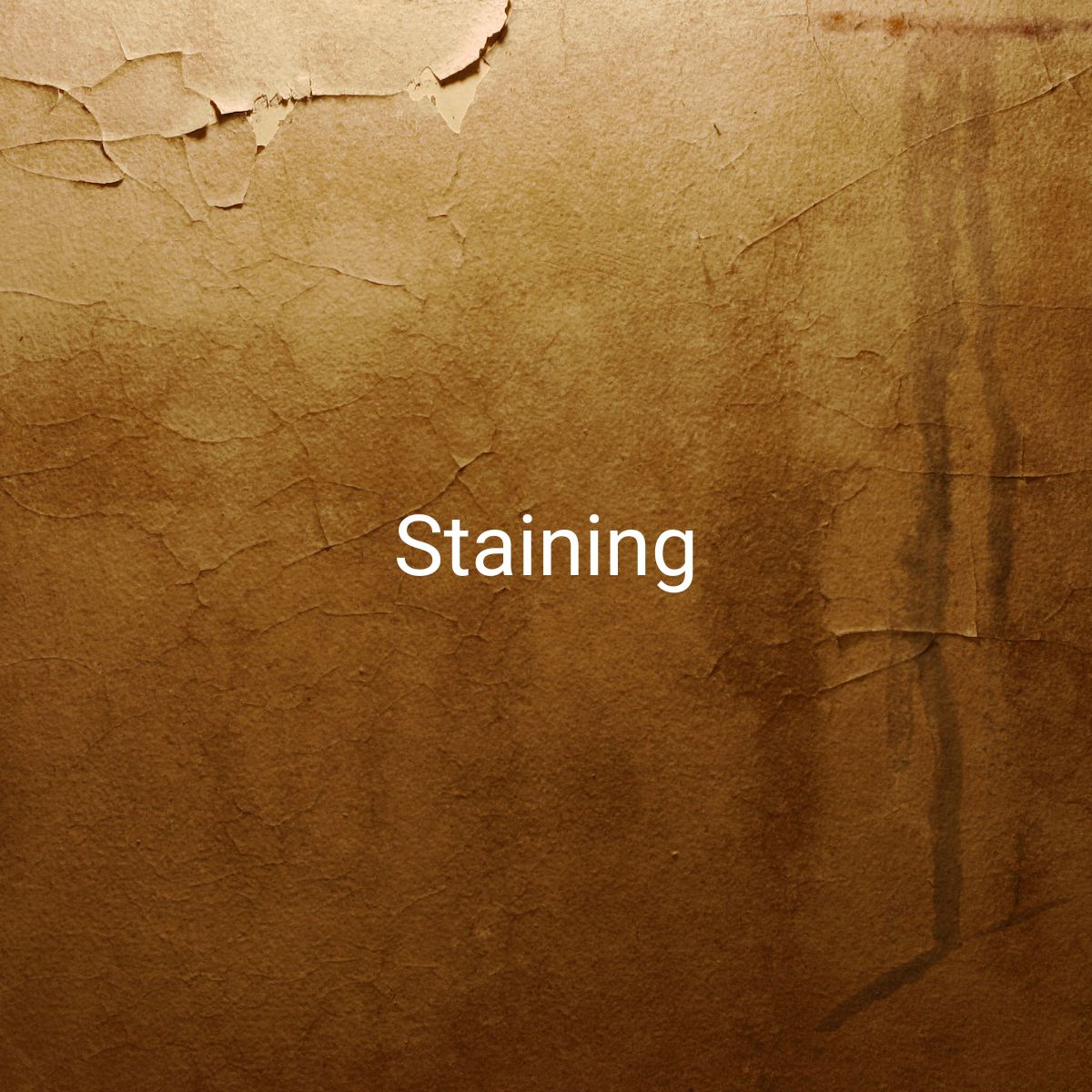
Coastal moisture can contribute to staining and biological growth on exterior surfaces, particularly in shaded areas where surfaces may stay damp longer.
You may notice:
These areas need to be properly cleaned and evaluated before repainting.
Painting over surface contamination doesn’t solve the underlying problem.
It’s common for different areas of the same home to show different levels of wear.
One side may look relatively good while another looks significantly faded or weathered.
That’s because exposure varies based on:
A professional painting evaluation should consider the property as a collection of different surfaces rather than assuming every area is aging at exactly the same rate.
One of the biggest mistakes homeowners can make is treating visible paint failure as purely a cosmetic issue.
For example, if paint is peeling because of poor adhesion, simply applying another coat may result in the same problem returning.
If moisture is entering through damaged caulking, repainting without addressing the caulking may not solve the problem.
If the surface is contaminated, painting without proper cleaning can compromise the new coating.
This is why preparation is such an important part of professional exterior painting.
Each one tells you something about the condition of the existing paint system.
Instead of simply covering the symptoms, Peek Brothers Painting focuses on understanding the condition of the surface and preparing it properly for the next stage.
If you’re searching for exterior house painting contractors, an exterior painting service, or experienced painters for your San Diego coastal home, contact Peek Brothers Painting to schedule a consultation.
Peek Brothers Painting approaches coastal painting with the understanding that San Diego homes face a unique combination of environmental exposure.
Our focus is on:
Whether your home is showing early signs of fading or has significant peeling and deterioration, the right solution starts with understanding what’s causing the failure.